Tree of Life Machine Embroidery Review
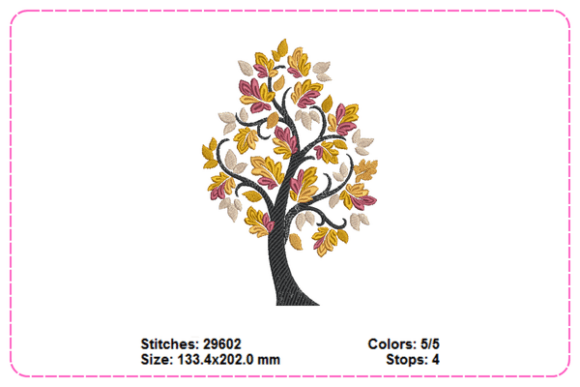
As a professional embroidery designer who has spent years translating digital files into tangible brand assets, I approach every new design with a critical eye. My goal is not just to see if a pattern looks pretty, but to determine if it will survive the rigors of commercial production and elevate a small business's image. Today, I am reviewing the Tree of Life Machine Embroidery design. This piece falls under the Forest category and promises to be a simple yet powerful symbol of growth, strength, and interconnectedness. For owners of boutique shops, local cafés, handmade brands, and Etsy sellers, understanding how this specific digital embroidery file performs in real-world scenarios is essential before you commit to a bulk order.
First Impressions: A Versatile Brand Asset
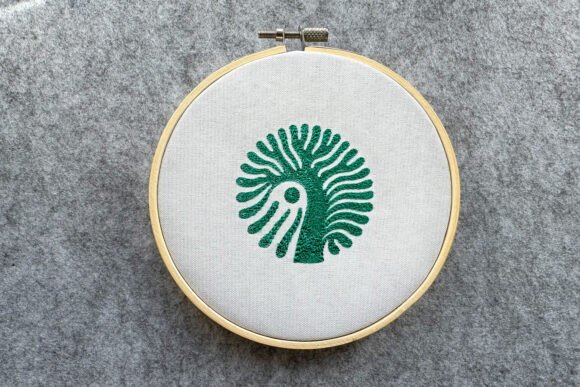
When I first opened the preview for the Tree of Life Machine Embroidery, the immediate impression was one of balanced elegance. It avoids the trap of being overly ornate or cluttered, which is a common issue with nature-themed designs. Instead, it feels rustic yet premium, making it an ideal candidate for businesses that want to project an organic, grounded identity. The simplicity described in the product details suggests that this design can scale well without losing its visual impact. For a bakery, florist, or creative studio, this aesthetic communicates care and attention to detail—traits that customers associate with high-quality handmade products.
The design's potential as a core element of your brand identity is significant. Unlike trendy graphics that date quickly, the Tree of Life is a timeless motif. When applied to small business merch, it signals stability and growth, reinforcing the narrative of a business that is rooted in community and quality. Whether used on a staff uniform or a customer gift, the visual personality is friendly and inviting, yet professional enough for corporate gifting or event merchandise.
Performance in Real Business Applications
The true test of any embroidery file is its versatility across different substrates and applications. Based on the structure of the Tree of Life Machine Embroidery, here is how I envision it performing across various commercial projects:
- Embroidered Patches: This design is exceptionally well-suited for creating custom patches. The defined outlines of the tree branches and roots allow for clean satin stitching, which creates a durable edge perfect for iron-on or sew-on patches. These patches can be sold as standalone items or added to denim jackets, tote bags, and backpacks as part of a limited edition collection.
- Staff Uniforms and Aprons: For a café or boutique, apron embroidery featuring this design adds a touch of warmth to the workspace. Placing the logo on the chest pocket or the back of an apron allows the design to serve as a subtle branding element. It is less aggressive than large text logos, making it perfect for environments where a welcoming atmosphere is key.
- Cap Embroidery: While cap fronts require careful consideration of size, the central focus of the Tree of Life makes it a strong contender for cap embroidery. It works beautifully on the front panel of a baseball cap or as a smaller accent on the side of a trucker hat, provided the stitch density is managed correctly.
- Tote Bag Design: As a tote bag design, this motif stands out against canvas or cotton blends. The vertical nature of the tree aligns perfectly with the shape of a tote, allowing the design to stretch from the top handle area down toward the base without distortion.
- Product Packaging Accents: Beyond apparel, consider using this design on fabric tags or labels for your physical products. A small embroidered tag attached to a soap bar, candle, or jewelry box elevates the unboxing experience and reinforces the finished product quality.
Strategic Considerations for Production
While the Tree of Life Machine Embroidery offers great potential, there are specific areas where caution is required to ensure a professional result. As a designer, I always advise clients to evaluate the following factors before running a full production run:
Size and Detail Retention
One of the primary challenges with intricate nature designs is maintaining clarity at small sizes. If you plan to use this as a tiny chest logo or a small patch, you must verify that the branch details do not become muddy. High stitch density in a very small area can lead to puckering on lightweight fabrics. Always check if the design works at your intended patch size by printing a mockup at 100% scale.
Fabric Texture and Color Contrast
The success of this design heavily depends on the fabric texture and the choice of thread colors. On textured fabrics like fleece or heavy twill, fine details might get lost. Conversely, on smooth poplin or canvas, the lines will remain crisp. For dark uniforms, you will need a backing stabilizer that prevents show-through, and you may need to adjust the thread palette to ensure the tree stands out against the background. Light green or gold threads often work beautifully to create contrast on navy or black garments.
Curved Surfaces and Hooping
Applying this design to curved surfaces, such as the front of a cap or the shoulder of a sleeve, requires precise hooping. The vertical symmetry of the Tree of Life can look distorted if the hoop tension is uneven. Ensure you have the correct hoop size to accommodate the design without stretching the fabric excessively. Using the proper stabilizer is non-negotiable here; a tear-away or cut-away stabilizer will provide the necessary support to keep the stitches flat and secure.
Impact on Brand Perception and Value
Incorporating the Tree of Life Machine Embroidery into your custom apparel strategy does more than just add a graphic; it influences how customers perceive your brand. In the crowded marketplace of Etsy branding and local commerce, visual consistency is vital. A well-executed embroidery design signals professionalism and attention to detail. It tells the customer that you invest in quality materials and craftsmanship.
This design fosters buyer engagement by offering a tactile element that print cannot replicate. Customers can feel the texture of the stitches, which adds perceived value to the item. For commercial embroidery projects, this tactile quality can justify a higher price point for your merchandise. Furthermore, the symbolism of growth and strength resonates deeply with consumers who value sustainability and connection, enhancing customer trust and loyalty.
Designer Checklist Before Production
Before you finalize your order or send the file to your decorator, follow these practical steps to ensure the best outcome:
- Test in Black and White: Run a preliminary test using a single color to check the flow of the stitches and the overall silhouette without the distraction of multiple thread changes.
- Verify Licensing: Confirm the commercial licensing terms for this digital embroidery file. Ensure you have the right to use it for unlimited business sales, especially if you are selling the finished goods rather than just using them internally.
- Create a Printable Mockup: Generate a printable mockup to show clients or stakeholders exactly how the design will look on the final garment. This helps manage expectations regarding size and placement.
- Inspect Spacing and Density: Zoom in on the digital file to inspect spacing between branches. Ensure there is enough room for the needle to move without crowding, which could cause thread breakage.
- Test on Real Fabric: Never skip the swatch test. Stitch the design on the exact fabric you intend to use to check for puckering, tension issues, and color vibrancy.
- Compare Design Assets: Place the Tree of Life Machine Embroidery beside other design assets in your brand kit to ensure it complements your existing logos and typography.
Ultimately, the Tree of Life Machine Embroidery is a robust tool for small business owners looking to enhance their merchandise. By understanding its strengths and limitations, you can leverage this classic Embroidery motif to create memorable, high-quality branded items that stand the test of time. Whether it ends up on a staff uniform, a promotional cap, or a premium tote bag, the key lies in thoughtful execution and strategic application.