Cheetah and the Girl Machine Embroidery Review
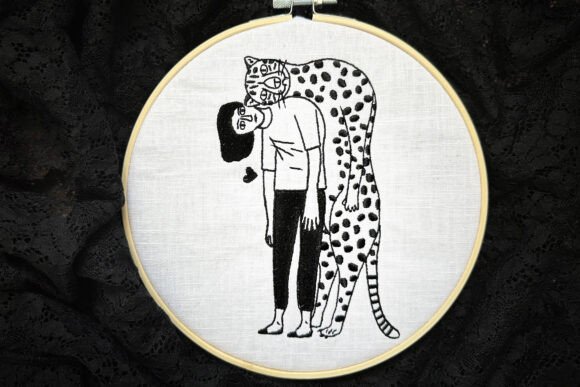
As a designer who has spent years navigating the delicate balance between digital files and physical thread, I approach every new machine embroidery design with a critical eye. The market is flooded with generic motifs, but occasionally, a file arrives that feels genuinely fresh. That was my first impression of Cheetah and the Girl Machine Embroidery. At first glance, this digital embroidery file promises something more than just a pattern; it offers a narrative. The concept of a girl hugging a leopard—or cheetah, depending on your interpretation of the spots—creates an immediate emotional hook. It falls squarely into the Wild Animals category but twists the trope away from fierce predators toward a scene of affection and companionship.
Before I even loaded the file into my machine, I analyzed the layout. Modern, chic, and trendy are buzzwords often thrown around in product descriptions, but does this design actually deliver? Visually, the composition is balanced. The figures are intertwined, suggesting movement without creating a chaotic mess of stitches. For anyone running a craft business or managing an Etsy shop, visual appeal is the currency of sales. This design has the potential to elevate a basic item into a statement piece. However, as with any embroidery project, the transition from screen to fabric requires careful consideration.
Bringing the Design to Life: A Real-World Scenario
To truly evaluate Cheetah and the Girl Machine Embroidery, I imagined a specific use case: a custom embroidered tote bag for a boutique selling eco-friendly fashion. Tote bags are a staple for Etsy sellers because they offer a large canvas and high utility. I pictured placing this design on a sturdy, natural cotton canvas. The organic texture of the fabric would complement the "wild" theme perfectly. The girl and the animal hugging would serve as a focal point, drawing the eye immediately.
In this scenario, the design transforms a simple accessory into a personalized gift or a unique small shop product. Customers looking for something different than standard floral prints or text-based slogans would likely gravitate toward this imagery. The mood it creates is one of gentle strength and connection. If I were marketing this as a holiday gift, perhaps for a young woman who loves animals or nature, the emotional resonance would be significant. It moves beyond decoration to become a symbol of personal identity.
I also considered how this might look on a sweatshirt. Sweatshirt embroidery can be tricky due to the thickness of the material and the need for good coverage. Here, the density of the design becomes crucial. If the stitch density is too low, the dark grey or black of the fleece might show through the lighter areas of the girl's skin or clothing. Conversely, if it is too dense, the fabric could pucker, ruining the drape of the garment. This is where the reviewer in me gets cautious. While the design looks great digitally, the physical execution depends entirely on the settings you choose.
Navigating Technical Challenges and Fabric Choices
When working with a complex character design like this, not all fabrics are created equal. I would advise against using Cheetah and the Girl Machine Embroidery on very thin or highly stretchy fabrics without significant reinforcement. The weight of the thread, especially in the filled areas of the animal's spots and the girl's hair, could distort a lightweight jersey knit. For custom apparel, a medium-weight cotton blend or a structured denim jacket would be far superior.
The choice of thread colors will make or break the final look. The description mentions the design is modern and chic, which suggests a palette that goes beyond primary colors. To achieve that high-end feel, you might want to use variegated threads for the cheetah's spots to add depth, or a metallic accent for the girl's accessories if the design allows. However, remember that metallic threads require slower stitching speeds and different stabilizers. Always test your color combinations on scrap fabric first. What looks vibrant on a monitor might appear muddy when stitched over multiple layers of thread.
Another critical factor is the hoop size. Character designs often have wide spans. Before committing to a production run, you must confirm that your hoop can accommodate the full width and height of the design without distorting the image. If you have to split the design or resize it significantly, you risk losing the intricate details that make the hug look authentic. Tiny details, such as facial expressions or the texture of fur, rely on precise running stitch or fine satin stitch work. If these areas get compressed, the charm of the design vanishes.
Strategic Applications for Makers and Entrepreneurs
For those looking to expand their commercial embroidery offerings, this design fits well into several niches. Beyond tote bags and sweatshirts, consider its application on nursery decor. A pillow cover featuring a soft, stylized version of this motif could be a hit for parents wanting to introduce a "jungle" theme that isn't aggressive. Similarly, it works beautifully as an embroidered patch that customers can sew onto jackets or backpacks later, adding a layer of customization to your handmade product line.
However, there are boundaries. I would be hesitant to use this design on items that require frequent, harsh washing, such as kitchen towels or aprons, unless the stitch count is exceptionally high and the stabilizer is robust. Over time, repeated agitation can cause the edges of the fill stitches to fray, diminishing the professional appearance of the finished product. Additionally, curved surfaces like caps present a challenge. The flat nature of the characters might not conform well to the dome of a hat, leading to puckering or uneven tension.
From a branding perspective, using Cheetah and the Girl Machine Embroidery signals a brand that values creativity and storytelling. It helps build customer trust by showing that you care about the quality and uniqueness of your designs. When creating printable mockups for your online store, ensure the lighting and background reflect the actual texture of the fabric you plan to use. Accurate representation prevents returns and builds long-term loyalty.
Final Designer Notes and Best Practices
If you decide to incorporate this digital embroidery file into your workflow, follow these practical steps to ensure success:
- Test First: Always stitch out the design on a scrap piece of your intended fabric with the same stabilizer you plan to use. Check for registration issues, particularly where the girl meets the animal.
- Review Density: Inspect the back of the test stitch. If the stabilizer is visible or the fabric is distorted, adjust your machine settings or change the stabilizer type.
- Check Licensing: Before selling finished items or offering this as a design asset in your own shop, verify the license terms. Ensure you are allowed to sell products made with this file.
- Contrast Matters: Compare the design on both light and dark backgrounds. You may need to add a backing layer or underlay stitches to make the colors pop on darker fabrics.
- Inspect Details: Zoom in on the digital preview to ensure no tiny lines are missing. Sometimes, what looks clear on a screen translates poorly if the stitch length is too long.
Ultimately, Cheetah and the Girl Machine Embroidery is a versatile and charming addition to any designer's library. It bridges the gap between whimsical art and functional craft. Whether you are making a one-off personalized gift for a friend or scaling up for a holiday collection, this design offers a unique opportunity to create something special. Just remember that the magic happens not just in the download, but in the thoughtful execution of the stitch.