Romantic Couple Embroidery: A Business Review
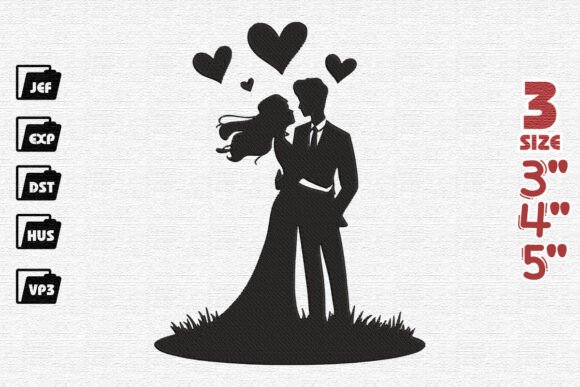
As a professional embroidery designer who has spent years translating digital concepts into tangible brand assets, I approach every new machine embroidery design with a critical eye. While many creators focus solely on the aesthetic appeal of a pattern for home decor, my priority is always commercial viability. Today, I am reviewing the Romantic Couple Embroidery design. At first glance, this piece sits comfortably within the Wedding Designs category, promising a sweet motif perfect for tablecloths and gifts. However, for small business owners, apparel decorators, and merch creators, the real question is whether this embroidery file can scale beyond personal crafts to become a cornerstone of your brand identity.
First Impressions: Visual Personality and Brand Fit
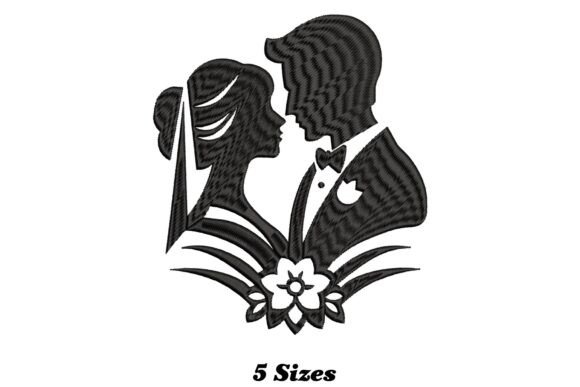
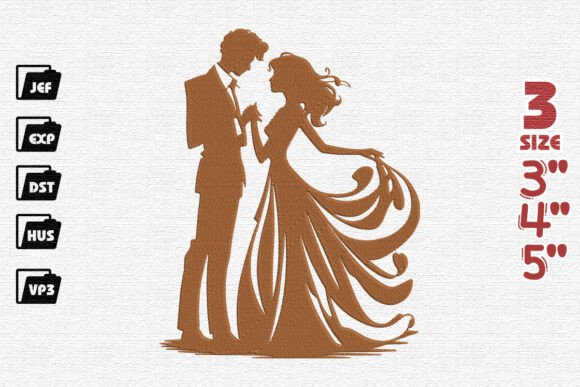
When I first loaded the Romantic Couple Embroidery into my digitizing software, the visual personality was immediately clear. The design exudes a classic, romantic charm that feels both timeless and slightly rustic. It does not scream "modern corporate," but it radiates warmth and intimacy. For a boutique florist, a wedding planning agency, or a handmade soap brand focusing on couples' sets, this aesthetic is a strong asset. It suggests care, attention to detail, and a human touch.
However, the challenge lies in its application. In the world of small business merch, a design must communicate professionalism while remaining approachable. The Romantic Couple Embroidery leans heavily into the decorative side. If you are looking for a bold, high-impact logo for a tech startup, this is not the fit. But for businesses where the product story involves love, connection, or celebration, this design offers a unique opportunity to differentiate your custom apparel from generic competitors. The lines appear fluid, which is excellent for creating a soft, organic feel on fabric, but it requires careful handling to ensure it doesn't look cluttered when scaled down.
Real-World Application: From Patches to Uniforms
The true test of any digital embroidery file is how it performs across various substrates. Let's evaluate where Romantic Couple Embroidery shines in a commercial setting.
- Embroidered Patches: This is arguably the strongest use case. Creating an embroidered patch allows you to control the backing and density. You can sew these patches onto denim jackets for a boutique shop's staff, attach them to canvas tote bags as a premium branding element, or even offer them as limited-edition collectibles for wedding guests. The intricate details of the couple hold up well on a patch because the stabilizer provides a firm base.
- Apron Embroidery: For cafes, bakeries, or craft studios hosting workshops, placing this design on the chest pocket or back yoke of an apron creates a welcoming atmosphere. It signals to customers that the business values relationships and quality. Just ensure the placement is centered and balanced against the apron's seams.
- Tote Bag Design: A large-scale version of this design on a heavy cotton tote bag elevates the item from a simple carrier to a branded accessory. It works beautifully for bridal showers or anniversary events where the business wants to leave a lasting impression.
- Cap Embroidery: Here we tread carefully. While possible, the curvature of a cap front often distorts complex designs. If used, this should be a simplified version or placed on the side panel rather than the center front to avoid distortion.
Critical Considerations: Where Caution is Required
As a designer, I must highlight where this specific machine embroidery design might struggle if not managed correctly. The description mentions it is perfect for tablecloths and t-shirts, but commercial production demands more rigor.
Stitch Density and Fabric Texture: The romantic nature of the design likely implies fine lines and potentially dense areas to create shading or depth. On textured fabrics like heavy twill or thick fleece, high stitch density can cause puckering or make the design difficult to see. Always test on the actual fabric intended for production. If the texture fights the thread, the finished product will look amateurish.
Small Scale Limitations: Do not attempt to shrink this design for tiny applications like hat logos or cuff details without significant modification. Fine outlines may disappear, and the two figures could merge into an unrecognizable blob. For cap embroidery or small labels, a simplified outline version would be necessary.
Thread Colors and Contrast: The design relies on the interplay between the figures. On dark uniforms, using standard white thread might wash out the details. You need to consider using metallic threads or contrasting colors to define the shapes. Always review the thread colors against your brand palette before committing to a bulk run.
Impact on Brand Identity and Customer Trust
Using a cohesive design like Romantic Couple Embroidery consistently across your merchandise builds brand identity. When a customer sees the same motif on a tote bag, a staff apron, and a gift wrap label, it reinforces recognition. It transforms random items into a curated collection. This visual consistency signals professionalism and stability. Customers trust brands that look intentional. Conversely, if the embroidery looks sloppy or poorly executed, it undermines the perceived value of your products. A clean, well-stitched version of this design adds a tactile premium feel that printed graphics cannot match.
Practical Designer Notes for Production
If you decide to integrate Romantic Couple Embroidery into your business workflow, follow these steps to ensure success:
- Test in Black and White First: Before buying expensive specialty threads, run a test stitch in black or white. This reveals structural issues like jumping stitches or registration errors without wasting color changes.
- Check Hoop Size Requirements: Verify the dimensions of the design against your machine's hoop capabilities. If the design is larger than your hoop, you will need multi-hoop stitching, which increases production time and the risk of misalignment.
- Inspect Spacing and Runners: Look closely at the spacing between the two figures. Ensure there is enough room for the needle to move without snagging. Add runners if necessary to keep the fabric taut during stitching.
- Select the Proper Stabilizer: For apron embroidery or stretchy t-shirts, a cut-away stabilizer is essential to prevent the design from cracking over time. For woven tablecloths, a tear-away might suffice, but test durability first.
- Create a Printable Mockup: Never send a design to production without showing a realistic mockup to the client or stakeholder. This manages expectations regarding size, color, and placement.
- Verify Commercial Licensing: This is non-negotiable. Before selling items featuring this embroidery file, confirm that your license allows for commercial embroidery. Many designs sold for personal use do not cover resale of finished goods.
Final Verdict
The Romantic Couple Embroidery is a versatile asset for businesses operating in the lifestyle, event, and handmade sectors. It offers a warm, inviting aesthetic that can elevate small business merch from ordinary to memorable. However, its success depends entirely on execution. By respecting the limits of stitch density, choosing the right fabrics, and adhering to licensing terms, you can turn this design asset into a powerful tool for customer engagement. Whether it ends up on a wedding guest book cover or a boutique staff uniform, the key is to treat it with the same precision you apply to your most valuable brand elements.