My Doctor Said I Need Glasses Embroidery Review
As an embroidery designer who has spent years curating collections for boutique apparel, I approach every new digital file with a critical eye. The market is flooded with generic graphics, but finding a design that balances humor, wearability, and professional finish is rare. Recently, I came across My Doctor Said I Need Glasses Embroidery while browsing for fresh concepts for my upcoming fall sweatshirt line. At first glance, the concept seems straightforward—a witty phrase about vision—but upon closer inspection of the design structure and potential applications, it reveals itself as a versatile asset for custom apparel decorators.
First Impressions: Visual Personality and Stitching Mood
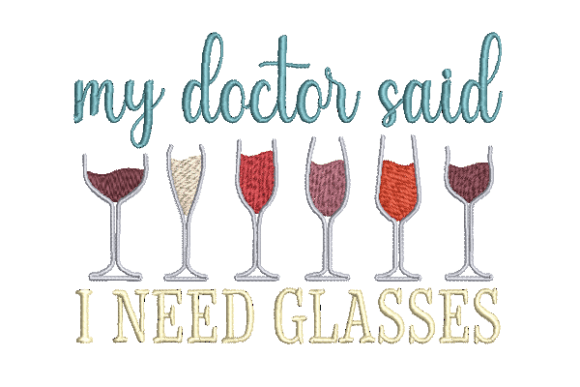
When I opened the preview for My Doctor Said I Need Glasses Embroidery, the immediate visual personality was playful yet grounded. Unlike some overly decorative patterns that rely on excessive fill stitches, this design leans into a clean, typographic aesthetic that works well for modern streetwear. The mood strikes a perfect balance between casual and trendy, making it suitable for a wide demographic range. It feels less like a novelty item and more like a statement piece you would see in a curated boutique brand collection.
The detail level appears manageable for most commercial embroidery machines, avoiding the trap of micro-lettering that often causes registration issues on stretchy fabrics. For those of us looking to elevate our handmade products, the decorative strength lies in its simplicity. It does not overpower the garment but rather enhances the fabric texture, allowing the quality of the thread colors to shine through. Whether you are aiming for a cute, feminine vibe or a bold, unisex look, the inherent flexibility of the text layout allows for creative interpretation.
Applying the Design to Sweatshirts and Hoodies
The primary reason I am considering My Doctor Said I Need Glasses Embroidery for my next drop is its potential on heavy-weight garments. Sweatshirt embroidery requires a design that can stand up to the density of fleece without puckering. When visualizing this machine embroidery design on a neutral oatmeal sweatshirt, the contrast is striking. The phrase sits comfortably on the chest, offering a focal point that draws the eye immediately.
For hoodie designs, I envision placing this graphic slightly off-center on the left chest for a subtle accent or scaling it up for a back print. On pastel hoodies, using darker thread colors would create a sophisticated pop, while on dark apparel, a bright white or neon outline could make the message pop even harder. The design's adaptability makes it ideal for oversized garments where large-scale graphics can sometimes look lost. Instead, this text-based approach maintains legibility and impact regardless of the garment's volume.
Versatility Across Apparel Categories
Beyond the standard sweatshirt, this digital embroidery file offers significant value for t-shirt embroidery and denim jackets. On a classic white tee, the design reads as a fun, everyday accessory, perfect for the summer-to-fall transition. When applied to a denim jacket, the texture of the denim interacts beautifully with the raised stitch density, adding a layer of tactile interest that flat prints cannot achieve.
I also see immense potential for tote bag design. As an Etsy seller, I know that accessories are high-volume sellers. A sturdy canvas tote featuring My Doctor Said I Need Glasses Embroidery serves as a walking billboard for your small shop product. The durability of the stitching ensures that the finished product withstands daily use, which is crucial for maintaining buyer trust and customer engagement. Furthermore, this design translates exceptionally well into printable mockups, allowing you to showcase your vision on social media graphics before a single thread is stitched.
Strategic Placement and Fabric Considerations
While the design is robust, there are specific areas where caution is required. Small chest placement is generally safe, but if you attempt to shrink the design too much, the tiny lettering may lose clarity, especially on ribbed fabric. Stretchy fabric presents another challenge; the tension from the hoop combined with the elasticity of the material can distort the text if the stabilizer choice is incorrect. Always test on scrap fabric first to ensure the letters do not warp when the garment is worn.
Dense stitch areas should be avoided on very thin materials, as the weight of the thread can cause sagging. For dark garments, consider using a cutaway stabilizer to support the heavier underlay required for light-colored threads. Curved surfaces, such as the sleeve cuff or collar, require careful hooping to prevent the design from distorting. If you plan to use this on areas that may stretch or wrinkle frequently, review the stitch density settings to ensure the design remains intact after washing.
Elevating Brand Identity and Product Value
Incorporating a unique phrase like My Doctor Said I Need Glasses Embroidery into your collection can significantly affect apparel value. It moves your brand away from generic stock imagery toward a distinct voice that resonates with customers. This sense of personality fosters brand identity and product recognition. When a customer sees a professionally embroidered shirt with a witty, relatable message, their perception of the handmade product shifts from a simple commodity to a curated lifestyle item.
Professional presentation is key. By selecting a design that is clean and well-engineered, you signal to your audience that you care about quality. This attention to detail builds buyer trust and encourages repeat purchases. In the competitive world of commercial embroidery, standing out with a clever, high-quality design is often the difference between a sale and a pass.
Practical Designer Notes for Production
- Test Runs: Always run a test on scrap fabric similar to your final garment to check for puckering or skipped stitches.
- Stabilizer Choice: Match the stabilizer to the fabric weight; heavier fleece needs a stronger backing than lightweight cotton.
- Thread Color Contrast: Ensure the thread colors provide enough contrast against the fabric background for maximum readability.
- Hoop Size: Confirm the hoop size required by the file matches your machine's capabilities before purchasing.
- Licensing Check: Before selling finished apparel, carefully review the Creative Fabrica product details and licensing terms to ensure you have the right to sell commercial embroidery products made from this file.
- Placement Options: Compare different placement options on your mockups to find the most flattering position for the specific garment style.
Ultimately, My Doctor Said I Need Glasses Embroidery is a strong contender for any designer looking to add a touch of wit and professionalism to their catalog. Whether you are a seasoned embroidery shop owner or a creative entrepreneur just starting out, this machine embroidery design offers the flexibility and visual appeal needed to create standout pieces. Just remember to verify all technical specifications, such as file formats and stitch counts, directly from the source before committing to a full production run. With the right execution, this design can become a staple in your boutique merchandise lineup.